AI-Driven Analytics & Decision Platform
An early-stage analytics platform designed to turn datasets into transparent, reproducible analysis. The specification, eight-service foundation, upload service and compute-summary endpoint are built; the AI workflow is planned.
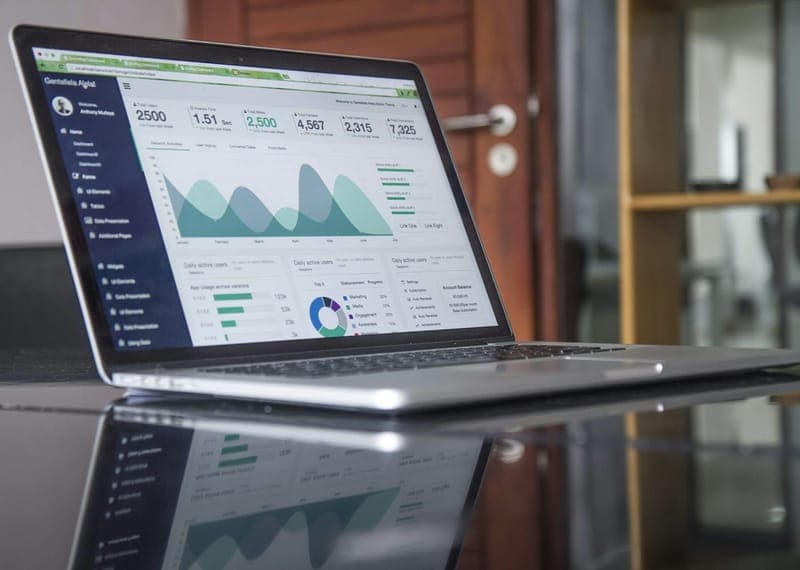 Context photograph
The challenge
Data preparation, analysis and reporting often happen in separate tools, making results difficult to reproduce and verify.
Objective
Bring preparation, analysis and reporting into one workflow, with natural-language questions and visible code behind each result.
- Reduce fragmented analytics workflows — one environment for preparation, analysis, visualization and reporting.
- Make analytics accessible — express analytical goals in natural language, not just code.
- Preserve analytical transparency — no black box: show the underlying SQL/Python and the steps that produced each result.
- Support multiple workflows — descriptive, diagnostic, predictive and eventually prescriptive analysis.
- Combine automation with human validation — the AI assists, the human verifies.
- Create reusable analytical workflows — recurring analyses become repeatable rather than re-done from scratch.
The solution (architecture)
The foundation uses eight services with Docker Compose, PostgreSQL/pgvector and MinIO. Dataset upload/storage and a compute-summary endpoint are implemented.
- Planned: an AI agent that turns questions into analysis plans using dataset context.
- Planned: isolated Python, R and SQL execution with validation and resource limits.
- Planned: visual reporting, exports and an append-only audit service.
Key features
- Plain-English analyticsAsk a question, get a plan — the platform handles the code, with exactly one clarifying question when anything is ambiguous.
- Multi-language enginesPython, R and SQL compute backends, designed so the right tool runs the right analysis.
- Transparency by designEvery result can show the underlying SQL/Python that produced it, and any analysis can be re-run from its stored inputs and code.
- RAG memory of your schemaColumn-level embeddings in pgvector let the agent reason about the actual dataset instead of guessing at its shape.
- Human validationVerification steps and reviewer re-runs keep the AI as an assistant to analysts, not a replacement for them.
- Auditable by constructionAn append-only audit service records every action — protected from deletion through any application path.
Planned workflow
- 01 — Data upload / connectCSV, spreadsheet, DB or API
- 02 — Analysis goalPlain-English question
- 03 — Intent classificationPipeline plan: SQL/Python/R
- 04 — ClarifyOne question when ambiguous
- 05 — Retrieve & executeSandboxed, capped, audited
- 06 — VerifySanity checks before trust
- 07 — Visualize + explainChart plus plain-language insight
- 08 — IterateFollow-up turns keep context
- 09 — ReportPDF/Excel export + reproducibility record
Current status
Specification and foundation work are complete. The AI agent, execution engines, visualization, export, audit service and web frontend remain to be built.
Delivery status
- CompleteVision, MVP scope & architecture spec
- CompleteEntity diagram & milestone plan
- Complete8-service skeleton + Docker Compose
- CompleteDataset upload & storage service
- CompleteCompute summary endpoint
- PendingAI agent (NL→plan, RAG, clarify)
- PendingPython / R / SQL execution engines
- PendingVisualization + interpretation
- PendingExport (PDF/Excel) + audit
- PendingWeb frontend